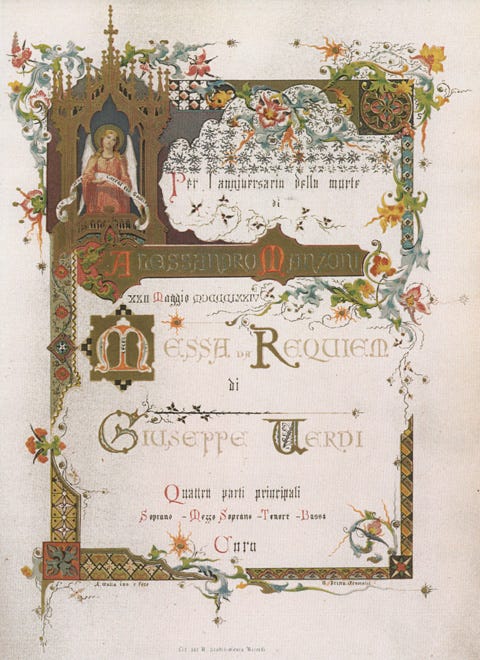
Last week, I had the opportunity to attend the OSESP (Orquestra Sinfônica do Estado de São Paulo) presentation of Verdi’s Requiem at Sala São Paulo. In the first few bars of Dies Irae, I got goosebumps from the impact of the music when I heard it live. Recorded versions don’t have the same impact. You have to experience orchestras in real life. No other format can provide that sublime experience.
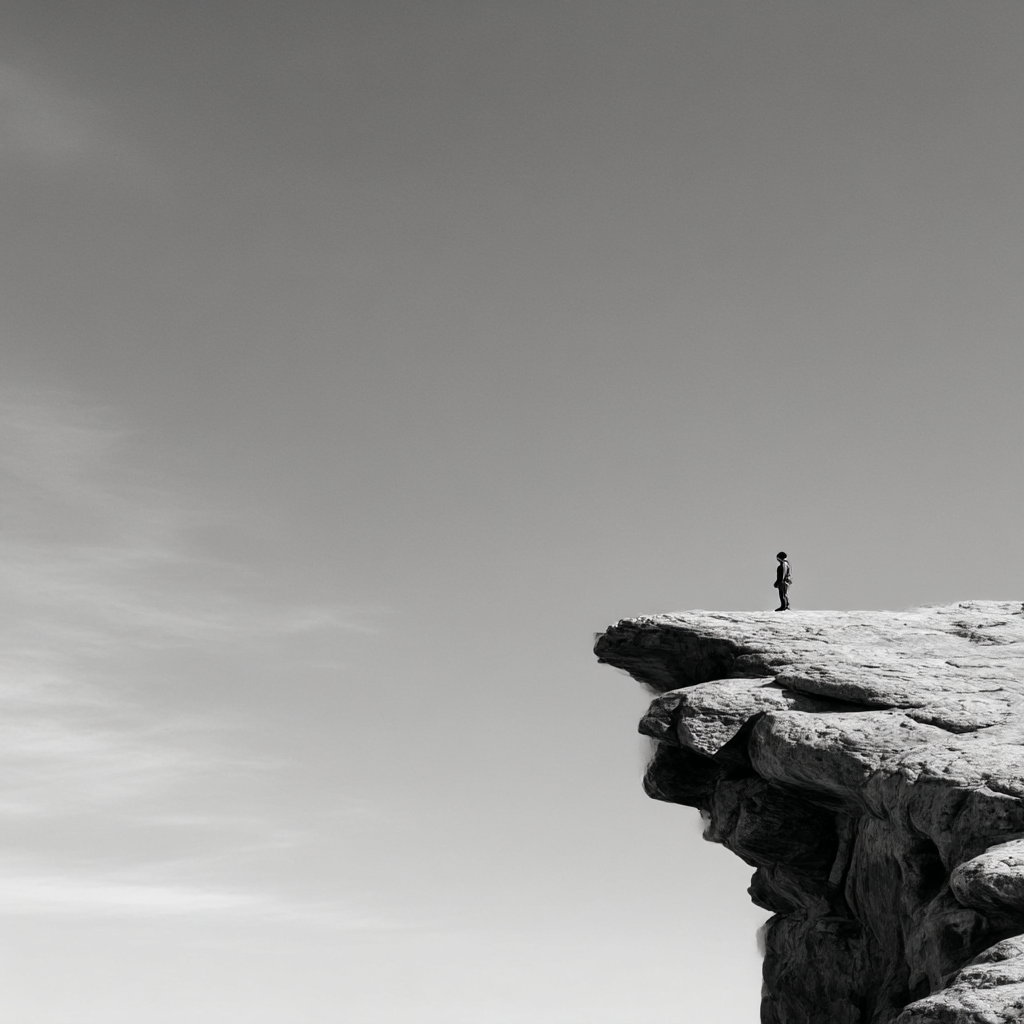
To be honest, I don’t think any other style of music can provide that same experience. I’ve been to all kinds of music presentations, from intimate acoustic guitar and vocals to massive, packed arenas across all genres. The feelings that erupt are different. You can feel pumped up, excited, and absorbed, but none has the same thirst for the sublime (Immanuel Kant’s POV) as a full orchestra presentation with choir. This is not elitism; the orchestra is perhaps the most powerful musical technology humans have developed for pursuing the sublime. Kant described the sublime as the moment when our imagination can’t fully capture something truly vast, and our reason then steps in to help us understand what our senses can’t contain. It’s a beautiful reminder of how our mind bridges the gaps in our perception. We become speechless. Hence, goosebumps.
A large orchestra and choir can produce an enormous dynamic range (from intense to incredibly soft), physical acoustic pressure on the environment, an extreme range of instruments, and a high harmonic density, along with the unmistakable input of dozens or hundreds of human beings coordinating toward a single purpose. The impact is incomparable. Verdi’s Dies Irae is almost composed around those features. The room itself becomes part of the instrument. That’s why experiencing it live is totally different from listening to it—even on the high-end speakers I fortunately own.
Not all orchestral presentations are the same, nor is every piece of music written for orchestra. My focus is on that atemporal music composed by the greatest — and it’s timeless because they serve that purpose. When the purpose meets the execution, nothing stands in its way. You’re simply in a state of awe, like when you’re in front of nature’s awesome aspects.
You don’t just think, “That’s beautiful.” Something momentarily dwarfs you.
Various musical styles are tailored to specific human experiences. The grand orchestral-choral tradition excels at producing the sublime, combining scale, composition, human coordination, acoustic space, and metaphysical goals into a single, powerful physical event.
All forms of genuine art touch you, but few have the power to make you feel awe. That’s why they become timeless and are so rare. Achieving that status is incredibly difficult because it isn’t just a matter of skill; it’s a complex blend of craft, momentum, purpose, and vision. Revisiting the ouvres that did that can deepen our understanding of art’s capabilities.
In our Zeitgeist of quick dopamine hits, a 90-minute piece of contemplation might not be that appealing. But I’d urge everyone to have at least one experience like this in life. You don’t need to climb the Alps every week to be moved by their immensity — one moment like that can be life-enhancing.
PS: OSESP makes its performances available online after the events. Here’s Verdi’s Requiem, which happened on August 22nd, 2026.